
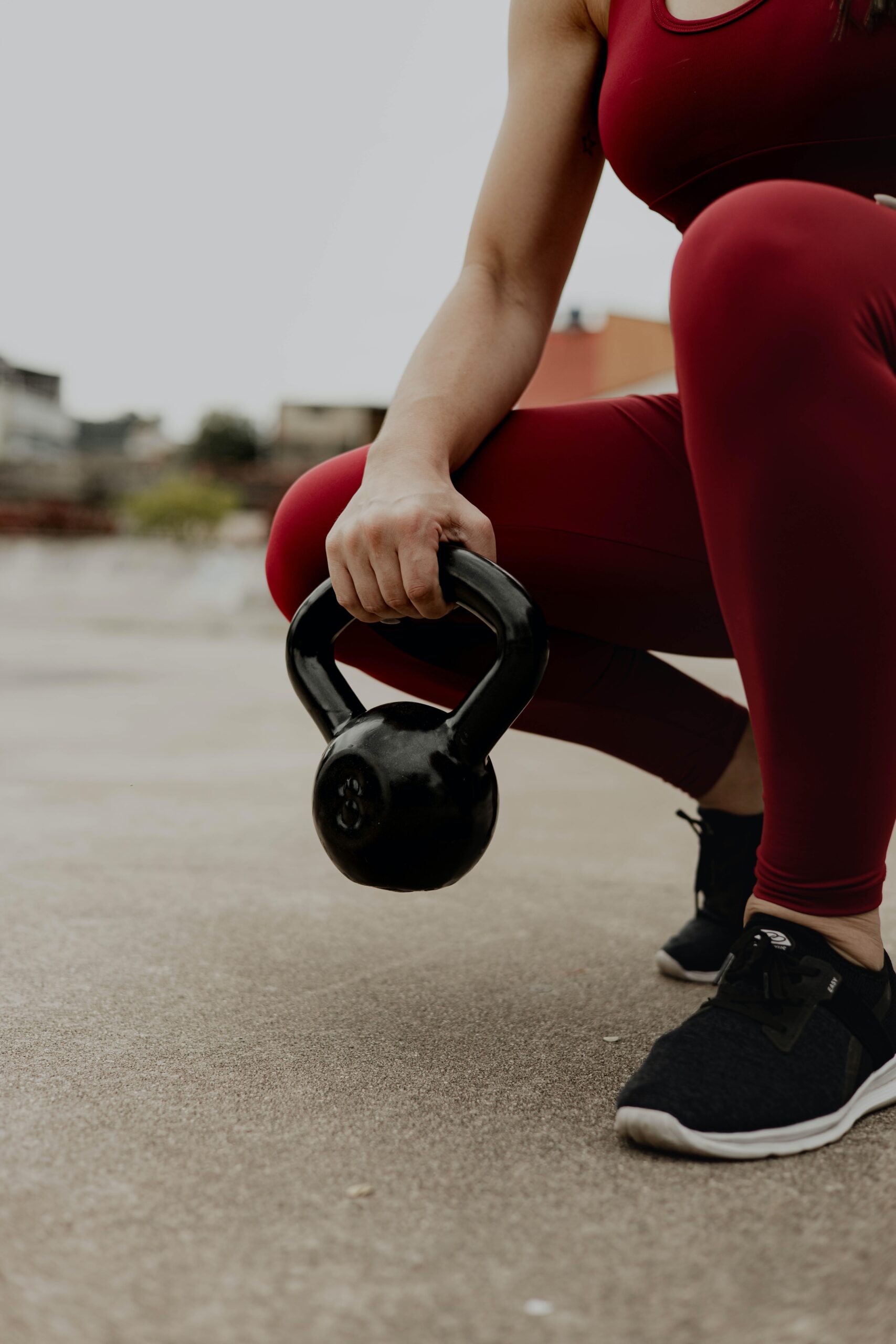


Understanding hormonal changes in women over 40 and their impact on health
Starting around age 46, hormonal changes cause women to enter perimenopause. This stage is the transitional period that leads up to postmenopause and includes numerous symptoms like hot flashes, sleep disturbances, and irregular periods. While perimenopause typically starts in your mid-40s, the hormonal shift starts earlier.
As you reach the later stages – typically in your 50s – the risk of developing heart disease, osteoporosis, and stroke also increases. However, it is not just your physical health that is affected as these hormonal shifts can have a significant impact on your emotional wellbeing as well.
Hormone changes that start in your 40s can lead to anxiety, mood swings, irritability, and make you more susceptible to depression. These symptoms can be surprising and challenging, especially if you’ve never experienced them before. Fortunately, there are ways you can help manage them with informed lifestyle choices like eating a nutrient-dense diet, getting enough sleep, and implementing a daily exercise routine that includes strength training.

The benefits of strength training for women over 40
Weight training for women over 40 is one of the most beneficial and proactive ways to manage symptoms caused by hormonal fluctuations and prevent future health issues. Let’s explore some of the top benefits that come when you focus on building strength.
Improved bone density
Weight lifting for women over 40 isn’t just a way to build muscle or lose weight – it also plays a vital role in improving bone density. After the age of 50, your bones begin to reabsorb and break down faster than they can reform. This deterioration is due to decreased estrogen levels. In fact, some women can lose up to 20% of their bone mass in only five to seven years after they enter menopause.
When it comes to strength training women over 40 in particular can benefit. Why? As you apply stress to your bones by pulling on the tendons and muscles, your body creates more bone tissue by depositing more minerals into the bone itself. Additionally, targeting certain muscle groups like those in your legs, hips, and spine improves balance, reducing your risk of fractures and falls.
Muscle mass
When it comes to knowing how to build muscle after 40, females may not realize the benefits that go beyond looking toned. Strength training helps you grow your muscle mass by creating micro tears in your muscle fibers, which your body then rebuilds larger and stronger. In women, muscle mass starts to naturally decline after the age of 30, but that decrease accelerates after 40. In order to build strength, boost your metabolism, and counteract muscle loss, weight training is essential.
Mood stabilization
Hormonal fluctuations can cause mood swings and take a toll on your mental health. One of the benefits of strength training for over 40 females is that you get an extra boost of mood-lifting endorphins. One of the so-called happy hormones, endorphins reduce stress and anxiety and act as a natural pain reliever.
Designing a strength training routine for women over 40
When it comes to weight training, over 40 females can benefit from a designated routine, especially if you’re new to working out. Having a plan makes it easier to stick with your exercises as it develops into a habit. Here are a few things to consider when creating a new strength routine.
Appropriateness of exercises
It’s important to choose exercises that are suitable for your personal fitness level. You’ll also want to consider your hormonal and physical health beforehand. It’s always a good idea to start with lighter weights until you get used to your new routine. Once the weight is no longer challenging, you can increase it. Here are a few common exercises that are good for women over 40.
- Squats
- Step-ups
- Lunges
- Shoulder presses
- Bicep curls
- Deadlifts
- Rows
- Push-ups
You can always start with just your bodyweight, especially if you’re new to fitness or aren’t comfortable with using weights.
Tips for safe exercise to prevent injury
Safe exercise is essential to preventing injury and getting the most out of your workout. Here are a few tips to keep in mind.
Develop a good warm-up routine
Warming up is one of the most effective ways to prevent injury and protect yourself when exercising. You never want to skip or rush this step. Instead, dedicate around ten minutes to it with every workout. When doing your warm-up, you’ll want to:
Start with light cardio
Start with five minutes of light cardio like walking, cycling, or jogging to increase blood flow to your muscles and prepare them to work.
Muscle activation
Activating the muscles you plan to target during your workout is the next step in your warm-up. Dedicate two to three minutes here before you get started. When training your lower body, focus on actions like lateral band walks, bodyweight squats, and glute bridges. For the upper body, scapular push-up and band pull-aparts are excellent options.
Lighter weights
Finish your warm-up by spending a few minutes with lighter weights to prepare your body for the main part of your training. Start slowly with either your bodyweight or a low weight like 5 to 7 pounds and build up gradually.
Time-efficient workout plans
Even if you have a busy schedule, you can still enjoy the benefits of daily exercise. Remember, it’s important to balance strength training with cardiovascular workouts and balance exercises to protect your body and maintain your health. A sample workout plan could look as follows:
Monday
Warm-up – 10 minutes
Cardio – walk or jog on the treadmill – 15 minutes
Lower body – 15 minutes – focus on lower body exercises like squats, lunges, and leg press
Cool down – 5 minutes – stretch
Tuesday
Warm-up – 10 minutes
Cardio – cycle on the stationary bike – 15 minutes
Upper body – 15 minutes – focus on upper body exercises like bench press, lateral raises, push-ups, chest press
Cool down – 5 minutes – stretch
Wednesday
Balance-focused exercise – yoga or pilates
Thursday
Warm-up – 10 minutes
Cardio – 15 minutes – elliptical
Lower body – 15 minutes – focus on lower body exercises like good mornings, Bulgarian splits, glute bridge, and sumo squat
Cool down – 5 minutes – stretch
Tuesday
Warm-up – 10 minutes
Cardio – 15 minutes – walk or jog on the treadmill
Upper body – 15 minutes – focus on upper body exercises like bicep curls, tricep dips, pull-ups, and lateral raises
Cool down – 5 minutes – stretch
Friday
Balance-focused exercise – yoga or pilates
Measuring progress and staying motivated
One of the best ways to stay motivated as you build a habit of strength training and exercise is to track and measure your progress as you work toward your goals.
Clear progression indicators
Tracking your progress through measurable goals will keep you moving forward even if you don’t feel like you’re seeing results. Instead of focusing on the scale or other measurements that may not give you an accurate representation of your progress, look at achievements like:
- Strength gains
- Improved endurance
- Confidence in the gym
- Increased energy levels
- Heightened mood
These indicators are great representatives of your progress and can keep you excited about sticking to your workout plans.
Strategies to maintain motivation
Along with the progress indicators above, there’s other steps you can take to help stay motivated. For example, joining a local workout group or attending strength training classes. Setting diverse goals that cover a range of different achievements is also a great option. Here are a few testimonials from Hormona users who successfully balanced strength training and hormone health.
Conclusion
Strength training is a crucial part of maintaining bone density and muscle mass, stabilizing mood, boosting metabolism, and supporting hormonal health in women over 40. Hormona is the award-winning app designed to provide valuable insights that make it easier to track your symptoms and take control of your hormonal health.
FAQs
How often should a 40-year-old woman lift weights?
Women over 40 should lift weights two to three times a week to help maintain and build bone density and muscle mass.
What is the 4-8-12 rule?
You may find explanations online, that in strength training, the 4-8-12 rule refers to a set structure for weight lifting. For each exercise, perform 4 sets with a rep range between 8 and 12 to help increase muscle size and balance endurance and strength.
Alternatively, 4, 8, and 12 refer to your “repetition maximum,” which is the heaviest weight you can lift for that specific number of reps. Research shows that while all three ranges build similar amounts of muscle, lifting heavier weights for fewer reps (like 4) is more effective for building raw strength.
What is the 3-3-3 rule for working out?
There are two possible ways to use the 3-3-3 rule for working out. Way 1: Spend 3 days of strength training, 3 days of cardio, and 3 days of recovery. You can overlap the cardio and strength days for maximum benefits.
Way 2: Complete 3 circuits of 3 exercises and repeat for 3 rounds. With this structure, you have three mini circuits with three exercises in each. Repeat each circuit three times.
What is the 5-3-1 rule?
The 5-3-1 is a workout plan designed by Wendler that uses different rep ranges for building strength. On week one, do five rep sets of each exercise, week two do three rep sets, and on week three, do one rep sets. Take the fourth week to use lighter weights then restart with the five rep range.
What is the 2-2-2 rule in the gym?
The 2-2-2 rule generally refers to the 2 for 2 concept, where you increase the weights for an exercise once you’re able to do two extra reps than your previous target for two consecutive workouts.
What are the big 4 lifts programs?
The big 4 lifts program focuses on four compound exercises: the overhead press, bench press, deadlift, and squat. You use different variations of each as your strength training focus.